Can’t See The Bright Side? Try To See The Light Side!

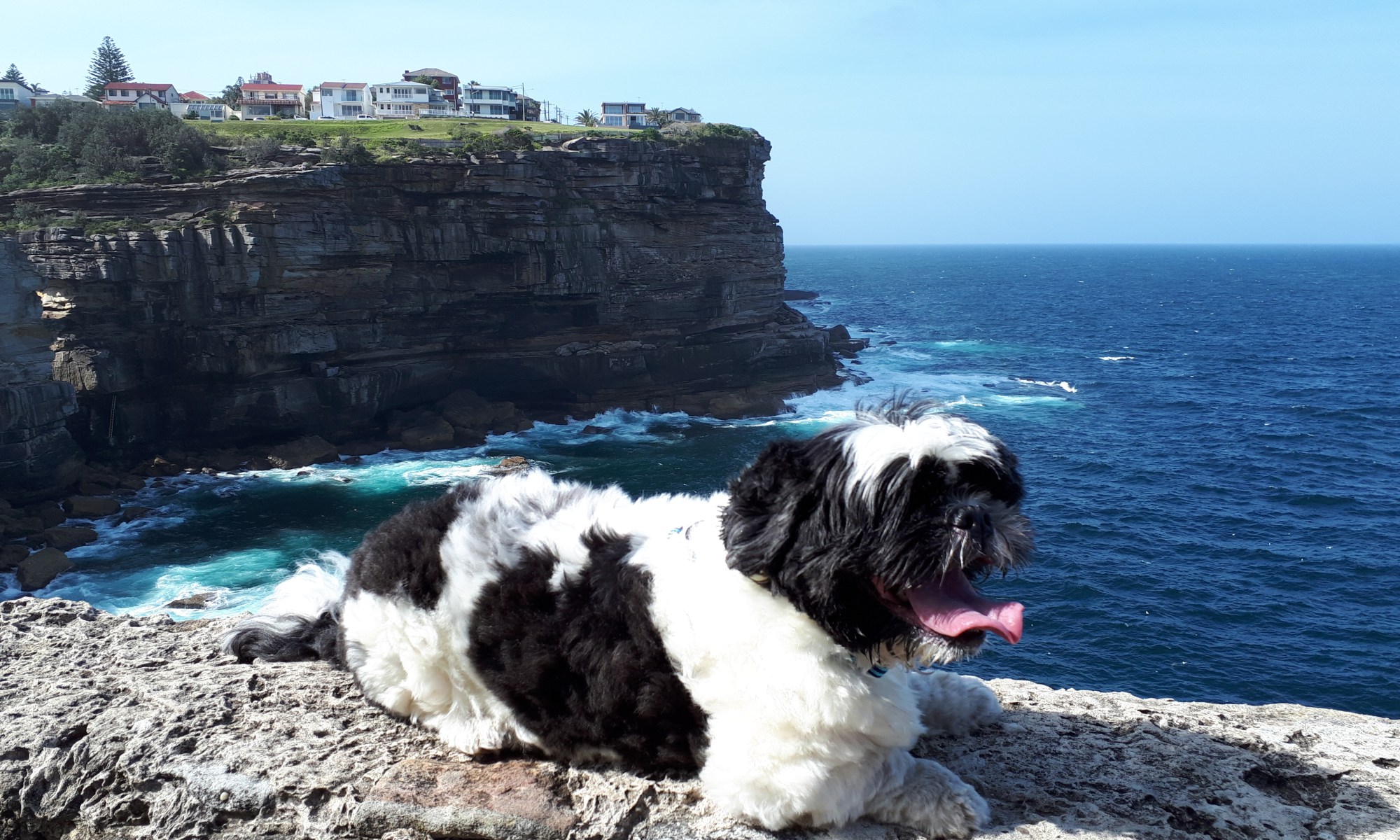
When asked if you were an animal, what would you rather be? Madonna said she’d rather be a dog. Just to be 100% precise, I think she meant to say a bitch. If the same question in reverse goes to my dog Jamie, I believe he’d most likely say: a comedian.

So, I’ve been on this writing journey for 19 months now. You’ve seen me talk fondly about building life skills and all that. To my amazement, I’ve covered quite a range of serious topics. Have I bored you to tears already? In case I have, well, now to your amusement, I thought I’d change gears and write a different type of blog post this time – a joke, a real one. It’ll serve as a reminder for me that laughter is also an essential part of building life skills.

Telling a joke here is kind of outside my genre I’ve been known for, but hey I’ve also been known for being unpredictable. To be a creative person, the only rule is there’s no rulebook to follow.

I picked the title “Can’t See The Bright Side? Try To See The Light Side!” for a reason. Let’s face it, when shit happens and when you’re in the thick of it, one of the hardest things to do is to stay positive. True? Fair enough, if it’s not possible to see the bright side, why not try to see the light side instead? Laugh at life! Laugh at your problems, laugh at your misfortunes, laugh at your imperfections, even better laugh at yourself!

Speaking of laughter, it’s funny, remember those so-called miracle cream and anti-aging skin care products you see everywhere on the shelves at a super market or some cosmetic counters in a department store? Read the instructions on the package. They all promise to give you a flawless complexion in days or weeks. Use me and I’ll reduce your frown lines, wrinkles, and crow’s feet. But, have you ever noticed that none of them claims to reduce your laugh lines? Very smart indeed. They must’ve had a team of cool copy writers working tirelessly behind the scenes. Most people don’t mind having a bit laugh lines I would say. They are like traces of happy times on the face. Why would we want to get rid of them? If their products were marketed in that direction, it’d seriously turn people off. From miracle cream to miserable cream, why would we want to use something like that?

Enough said, are you ready for the joke? Here it is:

A few years ago, an ex-colleague of mine complained to me about her new smart phone. It kept her up all night as it just couldn’t stop vibrating for no apparent reason. She’d already tried to change the settings herself several times but without success so she came to me for help. “Ted, can you please fix it for me?” She asked. I paused for a few seconds before my cheeky side started to take over. Hmmm… I held it eventually. I didn’t say a word till the next day: Are you sure it was your smart phone?

Funny or not, I hope you had a good laugh and embraced the subtle art of not giving a bark like my dog does. For now, my job is done. I’m moving on. Till next time… Keep on laughing!

A Leader Or A Follower?

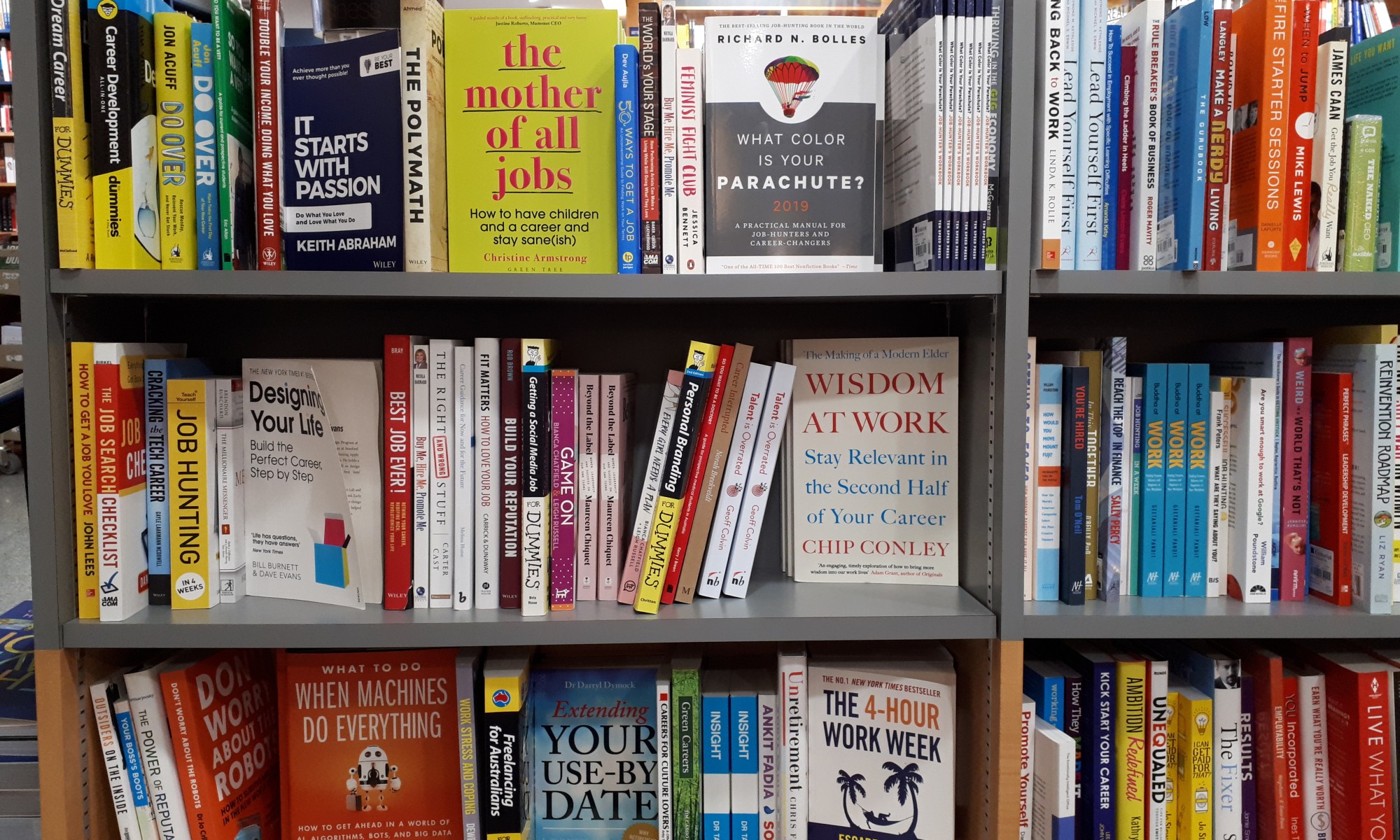
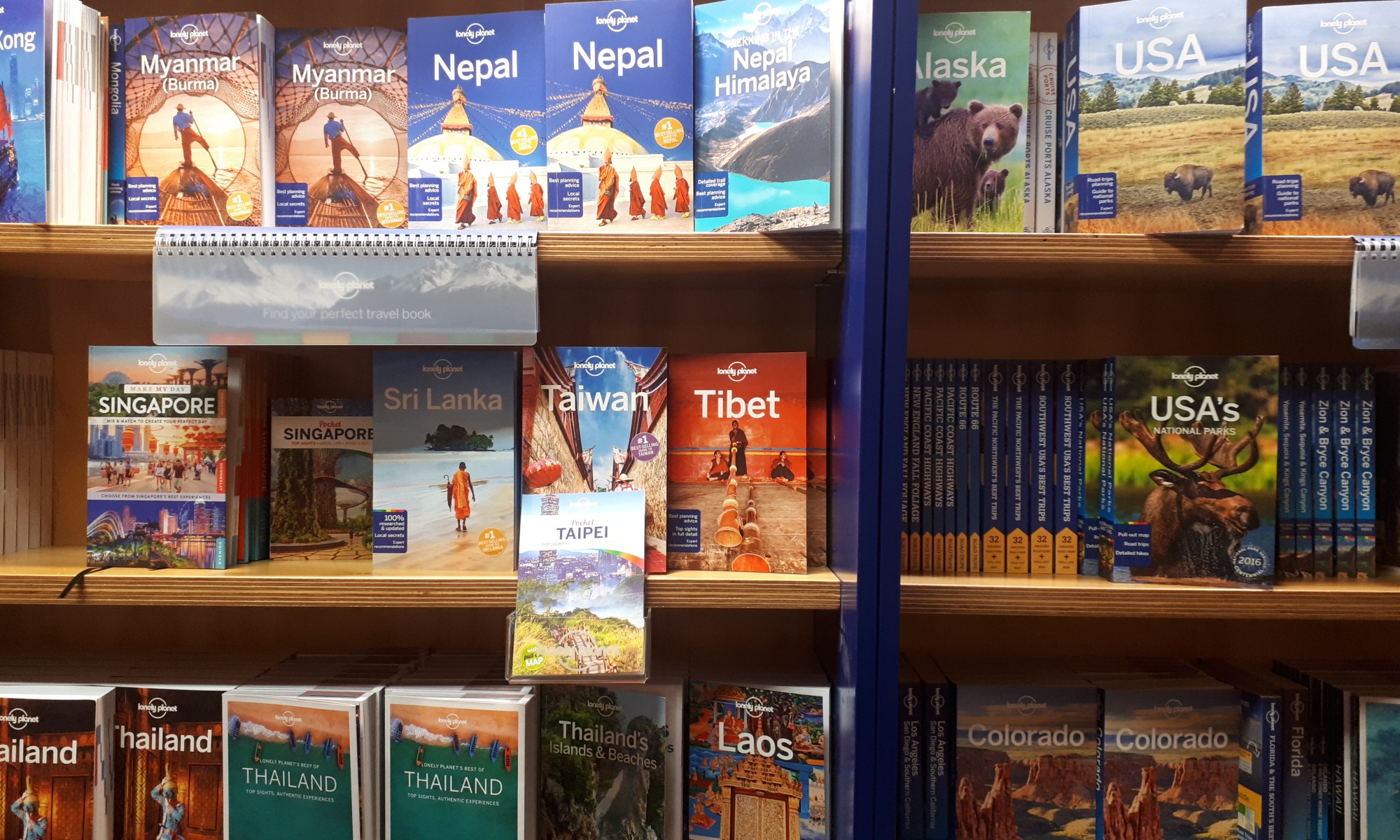
So much has been said about leadership. If you step into a bookstore, head over to a business/management section, what would you see? I bet you wouldn’t have any trouble finding books about how to be an effective leader. Funnily enough, I’ve yet to see a book about how to be an effective follower. What does that tell us? Leadership means business! Those publishers aren’t stupid. They don’t waste time and energy on something if they see no demands or popularity for it. Clearly, there’s a huge market for people wanting to cultivate leadership and inject it into their professional life. No one can argue that leadership is one of the highly sought-after skills we admire and look to improve on. Rightly so, but just because you want it, doesn’t mean you can have it if you don’t have what it takes to get there.

Are you a leader material? What if you are not, what does that leave you? Will it say something less about you? Don’t despair!

Well, who wouldn’t want to see their name sitting on the top of an organisational chart? Who wouldn’t want to be in a position of trust, power and authority and have a plenty of staff under him/her? The truth is there’s only limited availability for the leadership or C level executives. If someone must lead, then someone else must follow, right? The question of whether leaders are born or made, it’s highly debatable and will remain so as long as people have different opinions. One thing is for sure though, you need to have a thing about leadership. It’s earned, not given to you automatically.

What if one day you wake up and realize you’ve been barking up the wrong tree? All things considered, you come to this conclusion that you’re better at being a follower than a leader. Is there anything wrong with it? Here’s my awakening moment to share with you.

Last Friday, during a team breakfast just like all other occasions, my CEO presented us with a business update. I knew he wasn’t big on surprises, so I never expected one from him. But right before he finished it, I noticed something intriguing around him. He was holding a few envelops on one hand. The first one got my name on it. I had a few giggles inside. I couldn’t wait to find out if he’d got something for me. Yes, he did. He called my name and gave me a small reward in front of all staff. I was praised for “stepping up to help other team when required.” It was nice to be recognised by him – someone who has the final say in my career progression and pay increases. I was humble and grateful for it. This recognition has re-validated one of my core strengths – the ability to follow directions and execute orders – an essential attribute for a good team player, an effective follower. Right there and then, for the first time, I was totally fine with being a supportive role and proud of it.

Being a people pleaser and a care taker type of person myself, in some way I’m probably destined for becoming a follower, rather than a leader. If leadership isn’t my department, I’m willing to let go of it and pursue something that’s more in line with what’s in my “nature” – followership. In the past, I would’ve seen followership as a flaw in personality traits but now I see it as a different type of character strength. I’d love to be that guy running the show but at the same time, I don’t think I’m thick-skinned enough to be a star in the limelight for too long and too often.

Interestingly, just the other day, I heard someone say on a podcast that a follower is more important than a leader. It gave a lot of food for thought. My bias and favoritism towards leadership was swayed by it much more than I’d like to admit. But deep down I still held that thought – leaders are for the strong people, followers are for the weak people. A very black-and-white thinking. Then today I went to ask someone in a leadership position about which one is more important, I got quite a good insight from him which I’ll summary it below with a touch of my own take on it.

Here’s the thing. Some are more suited for being followers, some are more suited for being leaders. There’s nothing wrong with being a follower if you don’t end up becoming a leader or simply don’t have an appetite for leadership from the start. No matter which role you play, the most important thing is: You play it well and you’re good at what you’re doing…

I’ll call myself a leading follower… You?

What Do You Have That I Don’t Have?

Have you ever wondered why some people seem to live a better life, have a better job, a better income, a better partner, a better house? Perhaps they just have a better luck or even a better problem! Better this and better that, whatever takes your fancy, you may begin to ask yourself: What do they have that I don’t have?

Scrolling through pages of posts published on social media, we can easily see evidence of “We live in a result-driven, an outcome-obsessed society.” It’s all about the end product. We only get to see people cross the finishing line, but not the hard work that goes into it, which is often done behind the scenes. Nevertheless, we believe what we see on the outside is what we get from the inside. After all, seeing is believing. What’s wrong with it? Let’s dive in…

Perhaps you’re in a middle of doing housework, feeling a bit tired and bored, you decide to give yourself a break. You go to your smartphone, open the Facebook or Instagram app, there you are, before you know it, you’re already bombarded by friends’ posts and updates – travel photos taken from an exotic tropical island in the Pacific, some historical places in Europe or those bustling streets in East Asia. How do you feel? You may give it a like or a heart then move on? You may leave a nice comment and carry on your day to day stuff. You may get a little jealous or envious of them, then start to wonder: Why am I doing here at home in my PJ while they’re there living it up and having a great time? The adage: A picture is worth a thousand words is true in many cases. We can all agree on that. However, I would argue a picture isn’t always representing a full picture. Don’t be surprise if there’s more to it than meets the eye.

When people share their happy holiday photos on line, it’s all about the highlight. Rarely do they mention the lowlight. For example, would they tell the world that their flight got delayed for hours or they sat next to an annoying passenger or in front of a noisy jerk on a plane for 9 hours? Would they rant and rave about having a bad customer experience at a store, or having some awful food in a restaurant or having an upset stomach or diarrhea only one day after arriving at the resort? Those unexpected mishaps and dramas are kept to themselves, in private. We all like showcasing our best parts of everything to everyone. It’s only human nature. But if we as viewers are led to believe that’s all there to it, we are missing out on “a whole picture”. The feeling of inadequacy will soon find a chance to creep into our mind.

How do we gain more perspectives so that we don’t get sucked into that feeling of inadequacy? I understand if you have the urge to fill that hole or an empty space inside of you with stimuli. I’ve been there. Many times. Countless times. To counter that, I’ve come up with a good strategy to keep myself in check (like writing this blog post). We all can avoid the danger of taking something only at face value and missing the point. Try to deconstruct the myth layer by layer. In my case, as a reasonably newcomer to the blogging scene, I’m still like a new kid on the block. It’d be easy for me to feel inadequate compared with those popular bloggers out there, who have long established themselves as badass writers in their chosen fields. On the outside, fame, successes, hundreds and thousands of followers and likes etc are filling up their public domain. There’s no shortage of “good fortune”. But they got to where they’re today for a reason. It comes at a cost. It’s not free. it’s not all glam. On the inside, they’ve done the work to get them there and they continue to do the work to keep them there.

Then, just the other day, a friend of mine revealed to me that her marriage was on the rocks until she talked her husband into getting a counselling. I wouldn’t have thought that. A side of her that I didn’t know existed. It was nowhere near a portrait of her happy life on Facebook I’d seen –  enough to make her friends envious or jealous. What’s the matter? It’s not that people live a double-life, it’s just there’s a different life behind a curated library of photos we are yet to see. What I’ve learnt from this is: Not too quick to judge what I see in an instant.

Whether it’s people’s success or happiness that makes you feel inadequate, or the high life they constantly brag about gets on your nerves, stop and look out for the flip side – there’s an untold story waiting to be discovered. To complete this post, I’ll leave it with an advice I received from an ex colleague of mine at Fairfax Media. Those three wonderful little words: Work at it!

Give Bullies A Boo

A mother was heartbroken.

There she was talking explicitly about her pain and anguish in front of the TV reporters. As a way of protecting her privacy, she wore a white surgical mask to hide her identity. Even so, the cameras were able to zoom in on her and capture the sadness in her eyes. It was written all over her face.

What’d happened? Why was she so upset? It’s a call no parents will ever want to receive. An episode no parents will ever want to go through in their life. In an apparent suicide attempt, her teenage son was seen jump out of the school building to kill himself. Fortunately, he didn’t die at the scene. But he was seriously injured to the lower part of his body as later announced by hospital.

School did all they could – called an ambulance. He was quickly taken to a hospital emergency department for an urgent treatment. His mother rushed to the ward to be by his bed side, watch him fighting for his life. The hospital setting, the medical staff running around, No, it wasn’t one of prime-time soap operas, it was a real news on TV last week in Taiwan.

Believe or not, his self-harm didn’t come as a surprise to anyone. Why not? He’d been known for being a victim of bullying both on line and on the school yard for a while. In that, his school has been criticized for not acting early enough to prevent this preventable tragedy.

To add insult to injury, his mother was suggested by school to file the case as an accident as opposed to a suicide attempt, so that it’d give the case a valid reason for the insurance claim. Then on the get-well card sent to him following the incident, there was an insensitive message coming from his teacher calling his act as stupid. Also, on that there were a couple of anonymous short messages believed to be written by the bullies. Those three little words “Get well soon” were a bit cold comfort. That’s all they have to say. They didn’t sound sincere nor genuine. Perhaps driven by fear, pressure or public outcry, they didn’t even have the decency to put their names down.

From this, we can see words hurt, sometimes words can kill. This is a case got reported by the media and brought to light. No one would argue it’s an isolated one. But imagine how many cases are out there that haven’t been uncovered? We just don’t know. But one thing for sure, the number won’t be zero.

So, how did he become an easy, soft target for bullying among his peers? Why did he get picked on? When I heard of the reason, I was dismayed and appalled. The types of bullying he had to endure were staggering. He was subjected to names calling (sissy) that followed him everywhere, systematic intimidating, teasing and harassing taking place in the school’s change room. His gentle soul and persona got him into trouble. The trouble lies in the fact he didn’t fit the stereotypes of dominant men which are deeply ingrained in our world – something that’s been passed down generation after generation and to this day, there’re still signs of reinforcing it. I don’t see anything wrong with portraying men as a strong character, but it needs to have a balance. Strength comes in many shapes and forms. If you look around, chances are the strongest people you’ve ever come across aren’t those who appear to be the loudest, but the calmest.

Relatively, weeks ago a news feed on my Facebook posted by SBS (Special Broadcasting Services) Australia, got me thinking long and hard on the subject. It was about a small school boy called Mitchell who went to the TV studio – a debate forum “Insight” telling the host and a group of audience about how he stood up to a bully and told this kid to stop being mean to his friend. Mitchell’s bravery and courage won him much admiration and applause from many viewers, but it shouldn’t just end there. Our schools, our workplaces and every corners of our society need more friends like Mitchell. We all can be the next Mitchell in our own tiny way. Remember 3 S’s to eradicate the bullying – See something, say something, stop something. That’s all it takes. Interestingly, what Mitchell discovered about the bully and shared it on the show was: the bully felt threatened when being confronted by him. Deep down bullies are weak, once their bad behaviours are interrupted, they lose power and the edge over other people.

Why do I feel so strongly about this topic? Because I’m no stranger to bulling. Growing up, I used to be that little boy got bullied a lot at school. Back then, the term for bullying didn’t even exist. That Taiwanese teenager’s ordeal resonated with me on a personal level which prompted me to write this post. I survived, a long time ago. Many people did as well. But some did not. They went to extremes to end their own lives to end the pain they could no longer bear. Bullying is like bacteria. If the environment is “right” for them, it’ll become a breeding ground for them to proliferate, they will do just that – spread. If we foster the environment that’s supportive and inclusive, bullies will have no place to cling on to.

Last, as this post draws to a close, I thought I’d ask: What advice would you give to the teenage self? For me, I’d tell myself: Strive to be the best version of yourself, embrace your differences and stay weird!

Do What You Were Born To Do

At just 16, Greta Thunberg is already out there sending the message of climate change to the world. I can foresee it’ll be her life’s work for a long time.

So, where were you at the age of 16 or 26 or 36? If you open a time capsule buried in the past, can you see what you were trying to achieve or already achieved back then? What about now? What are your career aspirations? Are you still searching for that something that’ll get you out of bed every morning? Something you’ll do again and again and never get sick and tired of, nor give up on. Then, there comes the roadblocks, self-doubts, uncertainties. What does it take to find your niche in life? Doing what you love doesn’t necessarily mean getting paid for it. If money isn’t in the cards, will you continue the same level of enthusiasm as if it was a paid job? When the only reward is nothing financial but something that gives you a sense of achievement and satisfaction, will you still be there till the end?

Before my family immigrated into Australia, my life in Taiwan from the day I was born was all about being competitive and passing all school exams. As a student, I was told to study hard and get good grades at school. It was the common sentiment shared among many parents. Who wouldn’t want their children to have a head-start, a well-paved career path and a higher socioeconomic status in the future? Though I was rarely one of those top students excelled at all subjects, it didn’t bother me to the slightest that I was just an “average” student.

I remember in our writing class, we were asked to write about “What do you want to do when you grow up?”, I think I said I want to be a teacher, a musician, a pianist. When I got a bit older, around my teenage years or something, I changed it to a journalist, a news reader, an actor, or a TV personality etc. As time went by, I didn’t end up pursuing interests or hobbies in those areas. Instead, I switched to one subject that I loved most – English. To be good at it, I spent the bulk of my time studying it, going to evening English classes, listening to English language programs on radio. I even hired American tutors to perfect my conversational skills. When I got better at it, Taiwan, a tiny island about the same size of Netherlands in Europe, was too small to my increasing appetite for success. I told my parents, I want to go to study in America. The West.

They took us to Australia in 1990. Over the course of two decades, I went following what was thought to be popular and mainstream – going to university, getting a corporate job and buying a property. I was lucky enough to achieve all that – graduating with a Bachelor degree from one of top universities in Australia, working for those well-known big companies and living the Great Australian dream in one of the most livable cities in the world. What more could I ask for? On paper, it looks alright. But behind the scenes, there were tones of torments. For example, I was jobless and living my life without any source of income in 2012 and 2013, while paying home mortgage and other bills. Gratefully, they were a thing of the past and I’m now in a better place mentally and physically, but that’s not to say I’m 100% done.

The notion of “Do what you were born to do” got me thinking recently. I first heard of it from a mutual friend of mine a few years ago. After she left a broken marriage, she decided to relocate to Singapore. Two years later she quite her 6-figure salary job altogether. Then she became this person on a mission to find her purpose in life. At that time, it all sounded too New Age to me, something I wasn’t too fond of nor interested in. So, I went through the motions without paying too much attention. But lately the idea has re-surfaced. Perhaps it’s because I’m at a different stage of life. “Do what you were born to do” has come to me with a fresh meaning. I’m crystal clear about what I was brought to this world for – to be the voice of minorities and to break down stereotypes.

Minorities? What minorities? One way or the other, everyone will become part of minorities at least once in their life time. How so? Permanently or temporarily, we all have this identity or self-image that is seen as an outsider or even outcast by the society at large. For example, people in the LGBT community, a single parent, a divorcée or divorcé, people who have been bullied or abused, people who have been laid off etc. All can be classified as minorities. When a crisis arises, a large proportion of people in these groups tends to experience some form of mental illness – depression, anxiety, OCD, etc.

Admittedly, I have my fair share of shit moments, but I didn’t go through those rough patches for nothing. Have been a minority on many fronts, though once was too painful to bear, it’s given me the ability to empathize and relate to people’s struggles similar to mine. I’ll continue to use this platform as the voice of minorities and help whoever reads it build life skills from there…

The Change We Don’t Want To Keep

Climate change. Who cares? I know Greta Thunberg does. Who is she? The 16 year old Swedish school girl, a climate activist, a Ted Talks speaker, now a nominees for The Nobel Peace Prize 2019, made world headlines for her “school strike for climate” protest. Started out as one person herself in August 2018, it’s since attracted more than a million of students around the globe to do just that. How could the power of one grow to a gigantic size and become a world phenomenon in such a short space of time?

Not surprisingly, the news coverage and social media all played a part. They helped spread her word but did people buy it? It’s interesting to see how the event unfolded. In the very beginning, she was literally an unknown teenager. When she first learned about climate change, she was appalled by a lack of action from the government. Her frustration got to the point where she decided to skip classes and stand outside the Swedish Parliament protesting. On day one, she was there alone with the sign saying “Skolstrejk för klimatet”. The next day, more people noticed her and started to join in. Her movement captured the worldwide attention. Teens from over a hundred countries were so inspired by her, they went following in her footsteps. In that, we’ve seen groups of young students around the globe carry the same message demanding their government to act against climate change.

What does this tell us? To be honest, at first, I thought she was just a kid hating school. Protesting was a convenient excuse for not turning up classes. Am I the only person thought that way? Surely not. But my wrong assumption of her highly publicized motive quickly dissipated as I learned more about her. I began to see her larger than life character in 2 ways.

  • She turned her belief in “doing the right thing” for our planet into action even it meant going on her own.
  • She’s the epitome of the power of one.

What about you? What quality have you got in you that can make people want to stop and listen to you or follow you? If you’ve got what it takes, bring it out! Risk it! We can all start small, can’t we? We can all start alone, can’t we? Are you willing to embark on a solo journey, be an unsung hero in your own right, even when no one knows you exist?

When it comes to the environment, everyone can do something about it no matter how insignificant it may sound. My recent experiences related to this subject were a mixed bag. A few months ago while I was bush walking with my dog in a local reserve, I happened to see something annoying – a big re-usable plastic bag dumped on the shore. Because it was right near where my favourite spot was, I took it very personally. Seeing the area being littered like this, my immediate reaction was: Who’s the bastard? I kept mumbling why would anyone do such a thing to trash our environment. It bothered me so much that I decided to walk all the way back and put it in the nearest bin roughly some 800 metres away, not to mention I had to put up with the bad smell/rotten seafood coming out of the bag. Two weeks later, when I returned, I saw an envio bag hanging up on a tree with a few words written in block letters “IF YOU CARE PLEASE TAKE A BAG HELP CLEAN UP THANK YOU” (pictured). This time I was moved by it. Someone out there who was also caring and smart enough to know that if one day our Earth is too sick to survive, we’re all going to suffer. No amount of success or money can compensate for it. Agree?

Finally, before this post draws to a close, I thought I’d mention the common real estate mantra location location location. We say it repeatedly to highlight the importance of the location and how it can dictate the value of a home. But the location itself only reveals half of the truth. It’s the environment that makes or breaks business at the end. If the environment can shape who we are as a person, it certainly has the same capability to determine our destiny. The good news is it’s in our hands. The bad news is it’s also in our hands…

The Night My Home Got Burgled

In 1990 my family came to Australia as business migrants. It wasn’t a great year to embark on a new life when the country was going through the recession. The downturn in the economy was so widespread that you could feel the doom and gloom right across the continent just about everywhere. A famous line often heard on the news was: When Japan sneezes, Australia catches a cold. A sentiment was shared by many. The fragility of the economy affected all facets of the society and put pressure on all things that required money to run. The interest rates were so skyrocket high like 15 to 17 percent that if you had enough funds in your bank account, you could literally live a comfortable life just from the interest earned. The problem was Australians weren’t famous for saving money. In fact, they were short of it – the cash. Facing the bleak economic outlook, at one point I was dubious about my future here long term. But because we’d already come this far, going back home wasn’t not even an option, so we held on.

If you’ve ever studied, worked or lived aboard, then you’d know what it takes to assimilate and fit into a new country. There’re so many stories I’d love to share with my readers on this platform, but I cannot possibly include them all in one post so for now I’m just going to focus on one odd event. Yes, you heard it right. Odd. It took place roughly about 3 months after we arrived in Sydney. I call it: The Night My Home Got Burgled.

Before I start, just to give you a rough idea about the place we were renting then. It was a 2-bed old style flat that came as unfurnished. When we moved in, the condition was basic. Our plan was to buy a permanent home to live in before the 6-month lease was due. Therefore, we weren’t in any hurry to stock the place with new furniture except daily essentials like fridge, washing machine, TV and beds stuff etc.

So, on that day before the event unfolded, we did something new – playing the tennis for the first time. It looked easy but honestly hitting the ball over the net was much harder than I’d thought. Later that day, my muscles already started to ache from the hours of workout on the court. At night, we all got very tired and exhausted and just wanted to go to bed early. There was nothing out of ordinary except for some silly reason, my mum went to kitchen and left the sliding window half open for the entire evening.

I felt asleep very quickly but got up to go to toilet in the middle of the night. On my way I noticed something spooky – a shadow across the living room. It was too dark to pin down exactly what it was or could’ve been. So, I gave up. While there, I also noticed the street lights reflected off our kitchen floor while the curtains were blowing in the wind. I thought who the hell has forgotten to lock the window. Anyway, I was too sleepy to figure it all out, I went back to bed again.

The next morning when I woke up. My dad came talking to me, in his usual serious tone, he said: We’ve been broken into! “No way!”, I retorted. But we were all at home last night. How could it happen? Still in disbelief, I stormed into my bed room, then realized some of my personal belongings were gone. My watch, my backpack, my wallet. “The burglar only took my stuff. Why?!” I yelled and protested. What about my passport? I’d be in trouble if it was gone too. Luckily, I took it out of my backpack and placed it on the coffee table that night. My sixth sense told me to do that. It proved to be a wise move.

Minutes later, my mum came joining us, she said to me in somewhat a humorous way: your pants that I hung out and let dry in the balcony yesterday are now all over the floor. Apparently, the burglar even tried on my pants. Back in the day I was the thinnest I’d ever been, waist size 27”. There was no way he could’ve fit himself into that pair of chinos! Not a chance.

This unfortunate event left me with a bad taste in the mouth about Australia. But really it had nothing to do with Australia. A burglary can happen anywhere anytime. I soon moved on and carried on living my life.

Strangely, a month later, an unexpected twist to the event started to surface. One day a librarian from my college called. She said someone found my backpack in the library. I should go and pick it up. At first, I was a little puzzled. I said: Are you sure it’s my backpack? It can’t be right. My backpack was stolen from my home a month ago. She was adamant that it was mine. “Yes, it’s got your college enrollment form in it. That’s how I got your contact details”. I was stunned. She was correct. The following day I went to the library to collect my backpack. Of course, it was empty. All other things never returned. Up till now, I still have no idea how my backpack ended up in the college library, some 20-minute drive away from us.

Looking back, what I found disturbing and gave me the creeps was it happened right when we were all inside. I was grateful for the fact that no one was harmed during the burglary and the intruder left us alone. Those goods stolen from me were just material things. Overtime, they would’ve lost their values and become unwanted pieces. The aftermath? There was no aftermath. It failed to shatter our Aussie dreams. Not a day in my life I was thinking about this bad experience except now when I’m writing this post. Like the Australian economy, it survived the storm and bounced back. We also succeeded in our pursuit in our own right.

Life goes on. If the burglar was someone in his 20’s then, by now he would be in his late 40’s or 50’s. If he’s still alive today and I hope he is, he would be someone’s partner, father or uncle. I sincerely wish he’s already a changed man and is out there doing good deeds for the people and the country…

Want To Stop Complaining Instantly? Think Big!

Complaining is part of life. We complain just about everything from traffic, money, weather, waiting in a queue, bad customer service, work, to our partner, family, sometimes even ourselves. You name it.

There’re times when complaining is essential. There’re also times when complaining is a complete waste of time and energy. We know complaining can serve us well when we have a strong case and we’re looking to improve a situation. We also know complaining can produce no good results when we just want to vent. Ironically, people on the receiving end often put up with our ranting without complaining. Most of time we don’t even realize it till we see the big picture. What? The big picture? Read on and you’ll see why.

In February/March 2016, all our Sydney staff were sent to Melbourne for a 3-day conference. I was both excited and nervous as I’d never been to Melbourne. Only the night before I was due to fly, then I started to pack my personal belongings. My goal was to travel as light as possible. On the day I arrived at the airport, I was a little bit late. So, I was in a mad rush to get my check-in done. Luckily, my checked baggage was sorted within minutes thanks to the fast Self Service Check-in facilities. As I proceeded to a security screening point, I realized I had a piece of nail scissors in my carry-on baggage. Damn! I should’ve put it in my checked baggage but there was no turning back. No surprise, it was confiscated and dumped into a bin. The customs officer who caught it and threw it away, looked at me as if I was a terrorist. I wasn’t happy, but time was running out, I’d better hurry up or I’d miss my flight.

A few minutes later, I saw my colleagues still standing at the gate and waiting. None of them had boarded the plane. It gave me a peace of mind. Great! It wasn’t too bad after all. Feeling hugely relived, I thought finally I can pace myself and take it easy. I went up to them to join their conversation. While there soon I found myself starting to complain about my bad experience just then. Interestingly, at that point, a colleague next to me was scrolling through pages and pages of his photo albums on the phone. I happened to see a picture of him – a shaved head with stitches around his skull. It looked like someone had cut it open with a knife or scissors then put staples back on to close it again. It was quite scary to watch. Right there and then, I stopped. I realised my complaint was nothing compared to the image I’d just seen. I felt a bit embarrassed, almost ashamed. But out of curiosity, I went to ask him what was that all about. He said he was diagnosed with a brain tumour a few years ago. Following that he underwent a brain operation to have it removed. It was a success. Then, he was treated with a chemotherapy to ensure the monster never return again. That picture of him was taken not long after the surgery was done. Who would’ve known that years later it turned out to be the big picture for me to see what really matters at the end of the day.

What if you’re the one who receives complaints? One of my friends who was in a managerial position had a smart way of handling chronic complaints from her staff. She’d listen to them patiently, then hit back with the big question like: So, what do you suggest doing to change it? This would put them in problem-solving mode as opposed to just sitting there and whinging about it.

Next time, when you catch yourself or someone complaining about something that’s clearly not worth your time and attention. You know those types of complaints – just whining and whining. Whether it’s done in person, on the phone or in social media, think big!

The big picture: Does it matter at the end of the day?

The big question: What do you suggest doing to change it?


Down But Not Making You Down

Confidence, we all want it but not everyone gets it.

Where does confidence come from after all? What makes one more confident than the other? Does confidence mean you need to be a loud and bossy type or appear superior in front of other people? Do you have to be a certain breed to exude a high level of confidence? If you haven’t got it, can you just fake it to make it? So many questions here but the answer might be just one only. Mel Robbins says: Confidence is a skill, not a personality trait. It is the willingness to try. Do you agree? Read the following story, it may change the way you believe what confidence is.

So, I was on the train one Friday night after work. As usual, I proceeded to the middle carriage and stood in a quiet spot. There was nothing else to do except starring at my phone and scrolling through pages and pages of Facebook feeds. This commute was no difference from any other days. But it all started to change when this 30-year-old-ish lady got on the train. She came sitting down next to two female passengers – Presumably a mother and a daughter. They had two big suitcases standing side by side against their knees. With check-in bag tags still hanging, it looked like they’d just got out of the airport or something. Right there and then, this young lady just burst out and started to ask them a few questions like where they’d travelled from etc. Up to that point, I was reading some stuff on my phone, but my attention started to drift a bit. I was drawn by the energy she brought into this confined space. It was delightful to watch her personality shine through like a social butterfly. A great deal of charisma, confidence and a good sense of humour came right out of hershe even joked about her grey hair. Surly she didn’t mind people around having a laugh about it. Soon I found myself smiling and I noticed other passengers were smiling, too. It was infectious. What can I say? She added much fun to this tedious train ride. When we got off at the next station, everyone still carried the side-effect and wore a little grin on the face. I wondered what the incoming passengers might’ve thought. Well, she made our night that’s why. What was so special about this young lady you might ask? Well, do I have to mention that she appeared to be someone who had Down syndrome? I was glad that we had someone like her in our society!

If you are a quiet person, you can be confident in a quiet way. You don’t have to change yourself to be a mouthy human being. If you are an introvert, you can be confident in an introverted way. You don’t have to change yourself to look like an extrovert or act in such a way that’s totally opposite to your true character. To me, when it comes to confidence, it’s all about confide in your identity. How so? Let’s look at the word “confident” and unpack it piece by piece. You’ll see what I mean. I’m not a linguistic expert but I love exploring words in my unique way and make it my own.

All in all, if you buy what I’m selling here which is the idea of personal experiences, then you’ll know that at the end of the day, it’s our personal experiences that form part of our identities, something that no one can ever take away from us. Knowing that it’s already within us, we can work on bringing out the best in us and the rest? Just smile or have a laugh. That comes with confidence…