Let’s Spread Kindness

Two weeks ago I had a need to go to the city CBD. It was the first time since I left my job in March. I was there for a potential employment opportunity so it was hard to say No.

A few days before taking the trip, I was at home feeling quite anxious and worried. I didn’t know what to expect. The once familiar bus commute now comes with a new twist – social distancing and wearing a mask.

Normally I would say hello to a bus driver as soon as I get on, but that day this guy on duty seemed indifferent and not interested so I said no words instead. I must stress I am not complaining here. Imagine a day in the life of a bus driver during the pandemic. Let’s try to put ourselves in their shoes and show some understanding and empathy.

Carefully I looked around, there were a few people at the back but none of them was too close to me. I guess I just wanted to make sure my own safety along the way.

A few stops later, the bus started to have more passengers coming in, those empty seats nearby were then quickly taken. As the bus was getting close to its allowable capacity, I could feel my stress level going up. The fear of contamination caused my body to react, in a subtle way – my posture became a bit rigid and stiff while my whole body began to tense up. When the short 20 minute trip was finished, a sense of relief was written all over my face. When I got off, it was “a breath of fresh air” the 2020 edition.

What can I say? All aboard, welcome to the new world order today!

While some cities or countries are still on lockdown, banning their residents from going out, I won’t be surprised if many people in our community simply choose not to go out themselves. Mental health has taken a hit. We all need to be kinder and more patient to ourselves and towards others.

By now we are all used to the new hygiene practice against the spread of coronavirus – social distancing, use hand sanitiser, check body temperature, wear a mask upon entering a store. Just the other day when I was doing grocery shopping at a local supermarket, I noticed something interesting but a slightly outrageous scene – a female shopper carrying a trolley full of items, all were wrapped in individual plastic bags.

Being an OCD person, I could understand why she was doing what she was doing – to protect and prevent contamination of germs and viruses. But even to me it was a bit overkill.

Part of me wanted to wear a badge of environmentalist and tell her off, hey you should not be using so many plastic bags unnecessarily. But I gave up the idea. Why? I didn’t know her. I didn’t know her life. I didn’t know what was going through her mind.

Everyone reacts differently to this pandemic. Different age groups have different risk factors and concerns associated with it. Some people’s coping mechanisms may look rather odd, weird, out of ordinary or over the top. But let’s not be too quick to judge others. Cut them some slack.

No doubt coronavirus is highly contagious and spreading fast across the globe, but so can we make kindness

Buy Back Attention

I was planning on writing this post 3 days ago but I kept getting distracted. When facing a blank page, you soon realise just how much work you need to do before thoughts can be put into words.

Sure, it’s much easier to browse through some social media feeds, reading other people’s posts or watching their YouTube videos, than spend time to create your own work. Honestly, if I don’t produce another post, the world will still go around, no one would care.

But I do care, I simply can’t quieten that voice on the back of my mind.

Why attention? The other day I was driving my brother and my parents to a beach, I noticed my brother kept commenting on the scenes outside while we were talking about something else. Not that he meant to interrupt our conversation or wanted to change the subject but he simply got distracted by each passing traffic. And? My way to stopping him from being distracted was to continue talking about the topics we were on before.

A typical type of so-in-your-face distraction is ads. Look around, they are just about everywhere. Of course, they exist for a reason, love it or hate it, the bottom line is they want to find ways to getting into your head, so you don’t forget.

Let’s say you are watching one of your favourite YouTube clips, then out of blue, a couple of ads pop up one after another, you feel annoyed so decide to click a skip ad button. But if the same ads repeat often enough, they will be stuck in your head in no time. Any tricks? Lately, I’ve started to let those ads run freely but while pressing the mute on the speakers.

Remember the phrase “selective hearing”? I admire those people who have such an ability. They can focus on only what they want to hear and block out all other noises. Whether it’s your thing or not, in this day and age, we can’t literally take all in, being selective is really the way to go. How we treat our attention should be in the same way we treat our most valuable commodity – time.

They say it’s all in your head. I agree. But more precisely, I think it’s all in your attention. What we pay attention to has consequences. It will pretty much set the course of your day. In my case, I ended up procrastinating and postponing this post for 3 days.

It may sound ironic but perhaps distraction is a homework I had to do, a warm-up session I had to take part in before qualifying myself to write about attention. In the process, I’ve learned that attention is really a choice, a decision. It’s a split second thing you do, but the outcome can make a world of difference. How I bought my attention back, is by obeying and bowing to that nagging voice in my head – paying attention to writing.

Now this post is done, it’s time to cut myself some slack…

An Ordinary Day

Looking at the title of this post, if you say you are going to yawn, I won’t blame you.

Our day out at the beach was such a low-key affair that there is probably not much I can write about it.

Somehow, a narrative I keep coming up with is more or less along the lines of “simplicity”. I think it will be a good starting point to begin this post.

It’s easy to dismiss an ordinary day outright and believe there is nothing worth raving about. If something is too small to get noticed, we probably think it’s too trivial and insignificant, right? Think about fine print. Arguably, it’s small, hidden, tricky and not obvious to our eyes but when we read it, we discover something important in it.

I took my parents and my brother to this quiet beach for a reason – to get some fresh air, get our bodies moving, relax, and enjoy the view. This affluent seaside suburb surely lived up to its reputation allowing us to do just that.

With no crowd in sight on this day, just a few people scattered over the shore, it was indeed a safe haven from the outside world. No loud music, no big cheers, no large gatherings, just the sunshine, the sea breeze, the sand and the calm waves. Everyone simply “behaved themselves” and went about their own businesses – having a dip, building sand castles, going for a stroll or sunbathing. It’s simplicity that makes an ordinary day extraordinary.

Often it takes a significant event like the coronavirus pandemic to make us realize how precious an ordinary life is. While other parts of the world are still battling with a second wave of the outbreak, Sydney, our city continues to make good progress. We have seen daily new cases consistently stay in the low two-digit or single-digit range since July. As such, the government decided to ease restrictions and give residents a high degree of freedom. Counting our blessings, people can lead their lives and run their businesses as “normal” as possible.

How do we embrace our ordinary day and see something extraordinary in it?

For me, it requires slowing down, taking a step back and reviewing it from that angle and perspective. By writing this post, I suddenly realise, those so-called small things in life aren’t that small after all. They reason why they look small is because we haven’t given them enough our attention…

Let’s Talk About Solitude

One is not a lonely number.

Some people are uncomfortable with solitude, fearing that if they have spent too much on their own, they will be predisposed to the feeling of loneliness.

Solitude is not about losing touch with someone or something on purpose or being disconnected from the outside world or the mainstream because of circumstances.

Solitude is a lifestyle choice. It is a practice of observing own body, mind and soul, and our relationship with nature around us, in a setting that is free of judgement and force.

Three things that I have learned from being in a state of solitude are:

  1. Life evolves. I don’t need to be more or less than what I already am to go with it.
  2. Sun rises, sun sets. The universe has always its own set of course and timing.
  3. Mother nature is bigger than you. Show some respect.

I have also found that after a period of solitude, I have more new things to talk about and share with family and friends when I am back in civilization. Overall, it makes me an interesting guy to be around.

Remember, solitude doesn’t choose you, you choose solitude. And yes, I hear solitude loud and clear every time: One is not a lonely number. One is a lovely number…

Time To Live Life On The Slow Lane

If I have to name only one benefit coming out of this pandemic, then it would be this is the first time on a global scale that we have been forced to slow down – the opportunity to reflect on our lives.

What are things that mattered to you then but don’t really matter to you now?

Recently I’ve spent more time with my parents. To coincide with their physical levels, I intentionally chose the areas that require less strenuous efforts but are still stimulating enough for them to get up and keep active.

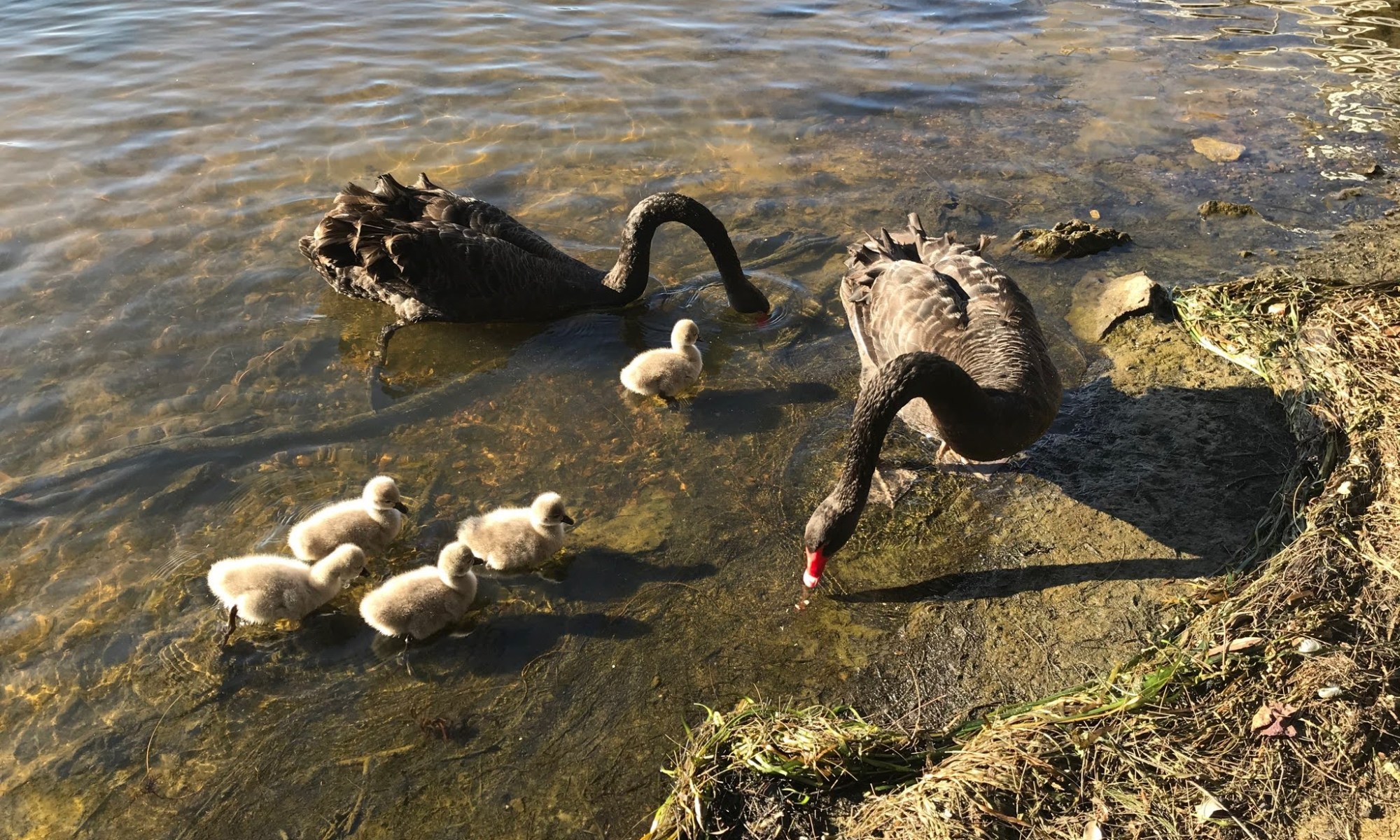
We took a walk across the bridge, then came back sat near the water, soaked up the sun and watched the day go by. What’s more, we had this cute goose family to keep us company. The simple pleasures…